




Related Products

$1,187


$574

$494
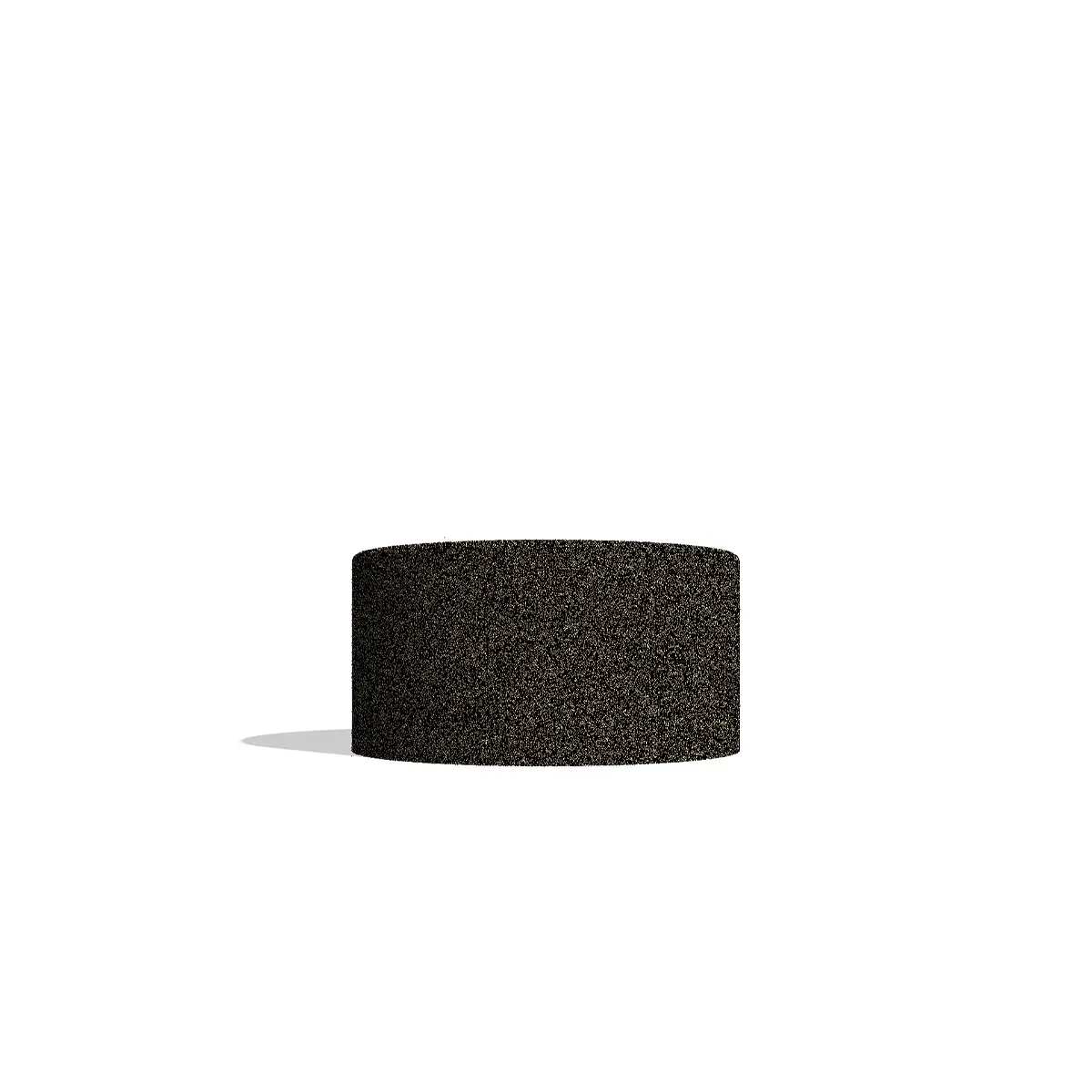
The 600×300 steppers provide slim, budget-friendly options for playgrounds. Compact low seating, narrow balance steps, and precise edging in tight spaces. Made from durable Pour’n’Play wet pour rubber granules for reliable safety and performance in busy kiwi sites. Choose from 21 colours or custom blends to meet your needs. Perfect for councils building practical parks, schools creating inclusive areas, and landscape architects designing efficient spaces that encourage movement, whānau interaction, and a sense of whenua.
$791
The 600×300 steppers in the value range offer a practical, cost-effective way to enhance playgrounds where space is tight or funding needs to stretch further, while keeping quality and safety at the forefront. This narrow size fits perfectly into detailed designs or constrained areas, creating low seating platforms, single-file stepping paths, simple balance challenges, or sharp, defined edges and transitions in wet pour surfaces. They work well for tamariki of various ages, helping build coordination, encourage active play, and ensure safe movement while tackling common issues such as narrow pathways, cramped corners, or underused borders. Crafted with premium Pour’n’Play wet pour rubber granules, they provide strong UV stability, flexibility, and impact absorption. They stay soft underfoot, handle heavy daily use in schools, parks, and community settings, and resist fading, cracking, or wear through Aotearoa’s changing weather. The value range retains the essential durability and safety compliance of larger sizes with very low maintenance needs.
You can choose from 21 vibrant colours, from natural greens and browns to bright reds, blues, and yellows, or create custom blends to align with cultural elements, site themes, or the local environment. Proven in New Zealand playground projects, this slim size adds clear visual structure, solves practical problems efficiently, and boosts play value in limited spaces. It is a strong choice for councils optimising community resources, schools promoting outdoor engagement, and landscape architects creating thoughtful, inclusive environments that foster physical skills, social play, and deeper connections to place.
No account yet?
Create an AccountSubscribe to our latest updates