

Freemans Bay School
Waiatarau, Auckland
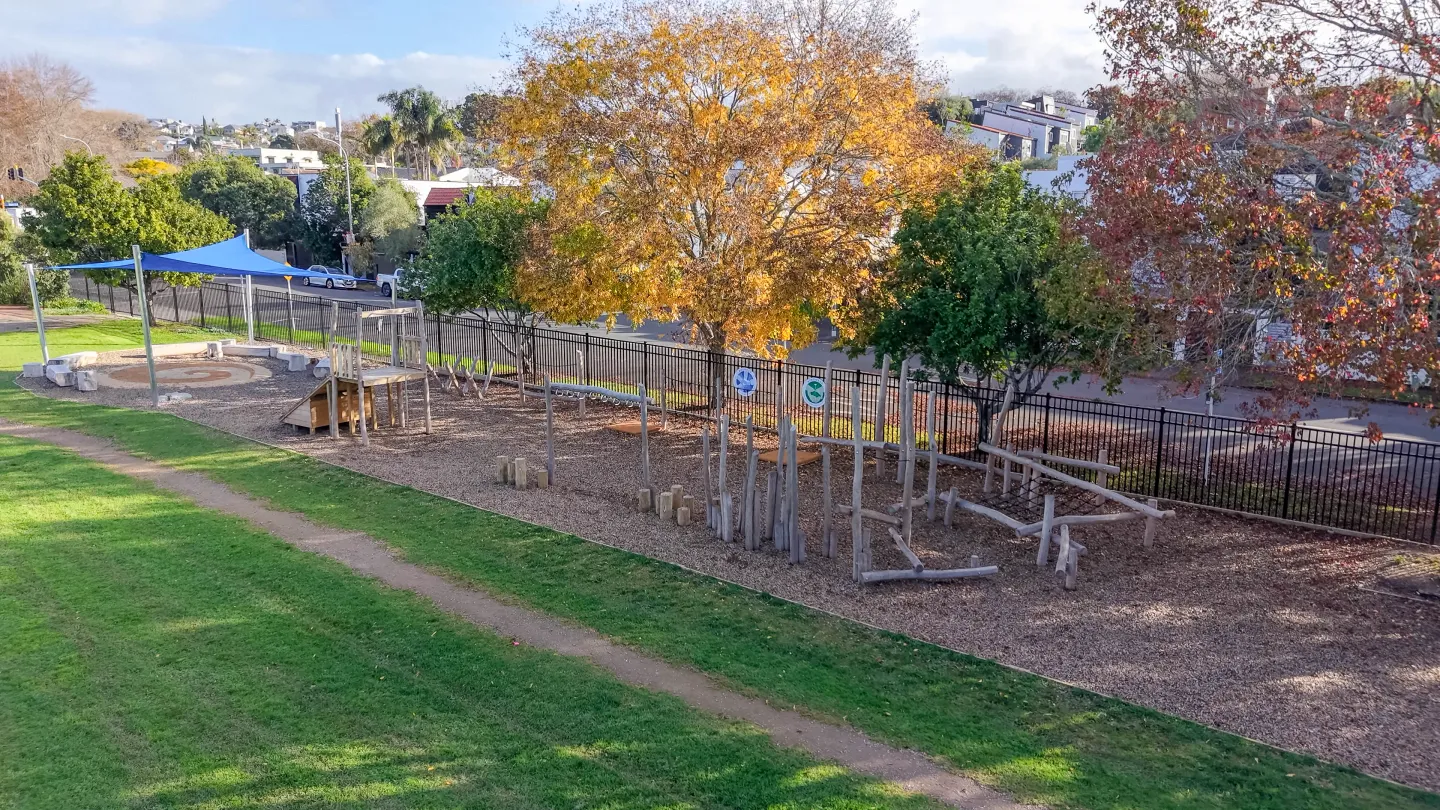
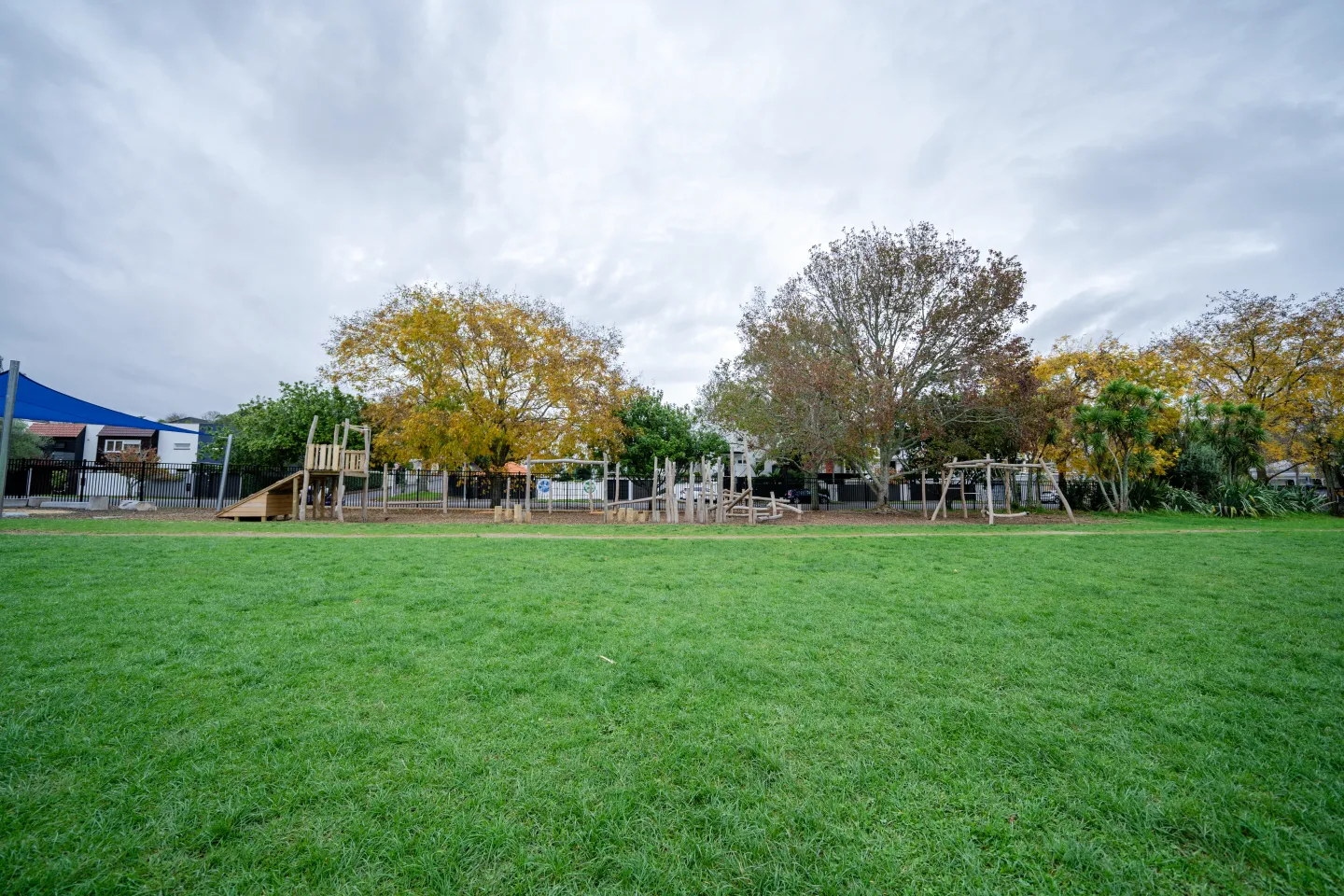
Freemans Bay School sits on the edge of Auckland’s CBD, a short walk from Ponsonby Road, and looks after close to 700 tamariki from dozens of different backgrounds. When principal Cindy Walsh first toured the grounds, the board chair steered her past a taped off corner without a word. It turned out to be the school’s playground, condemned and unused. What has replaced it is a natural, colour balanced play space built for a school that treats its grounds as the closest thing many students have to a backyard, and a clear example of what proper playground design can do for a community like this one.
That’s Our Very Old Playground, and It’s Been Condemned
Cindy Walsh’s first encounter with Freemans Bay’s playground came before she had even taken the job. Touring the grounds during her interview, she noticed one corner wrapped in tape and asked what it was.
“He said, oh that’s our very old playground and it’s been condemned,” says Walsh. “By the time I was appointed and had my first day here, it was open again.”
That single detail set the tone for what was ahead. A playground that had quietly become unsafe was about to become one of the board’s priorities.
A Green Oasis in the City
Freemans Bay draws a community unlike most schools in the country. More than 75 percent of its learners are new immigrants to New Zealand, and a similar share live in city apartments with limited green space of their own.
“School is a little bit like their green oasis,” says Walsh.
For a school in that position, the playground carries more weight than usual. It is often the only patch of grass, climbing, and open air play many students get in a day.
Years in the Making
Long before Creo was involved, the board had already set its sights on a new playground. Getting there meant years of fundraising and grant applications, worked in around everything else a school board has to manage.
“It became one of the board’s goals to raise enough money and to actively seek funding to build a new playground,” says Walsh. “That took us four years to get into a position to say, okay, we’ve got enough money now to do this.”
The design moved with the funding rather than sitting still and waiting for it. As grant rounds landed through the process, the scope was adjusted more than once to match the money actually on the table, with some elements removed and the surfacing and edging resized to suit. Fixed pricing meant every change came with a clear number attached, never a guess.








Nothing Bulk Standard
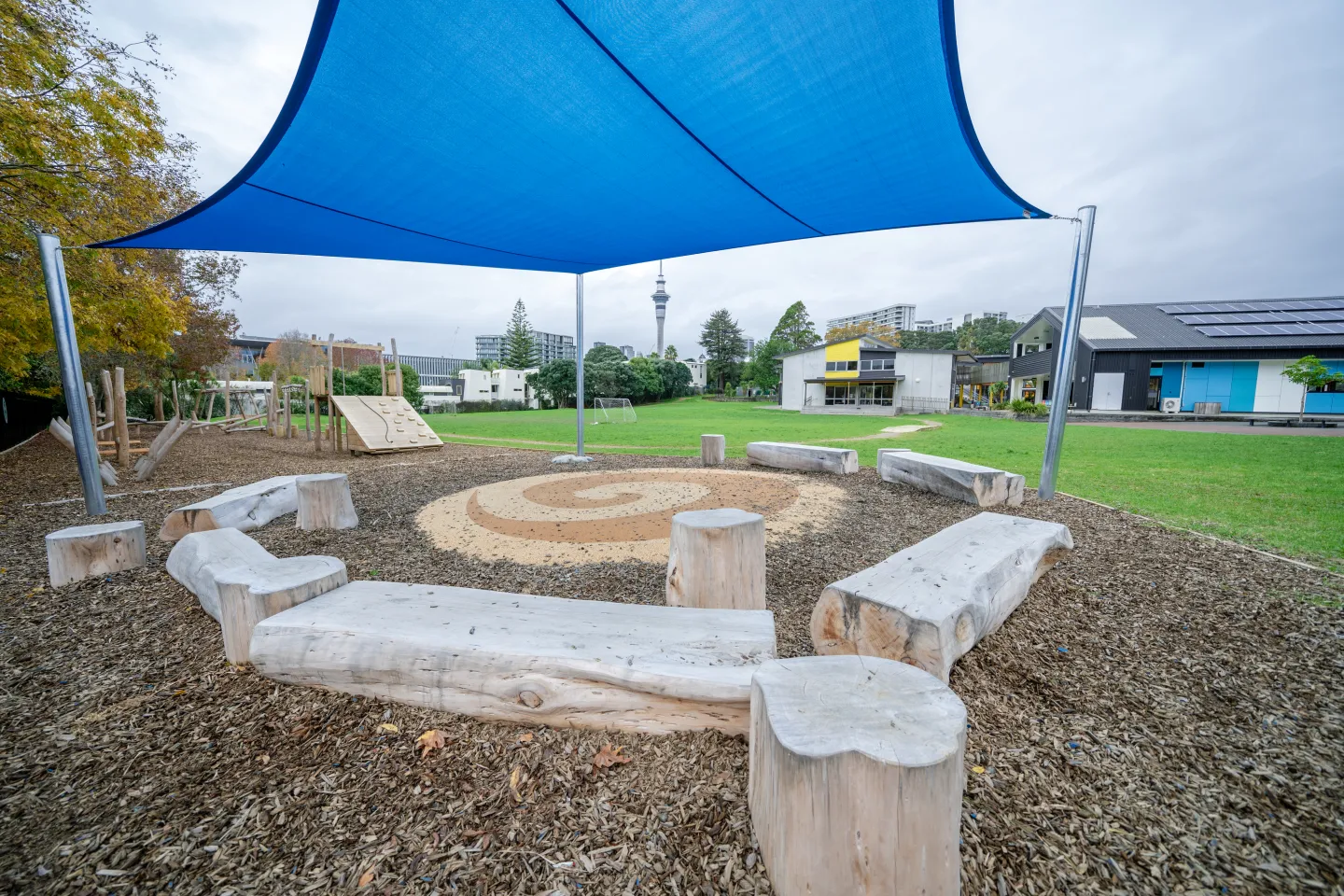
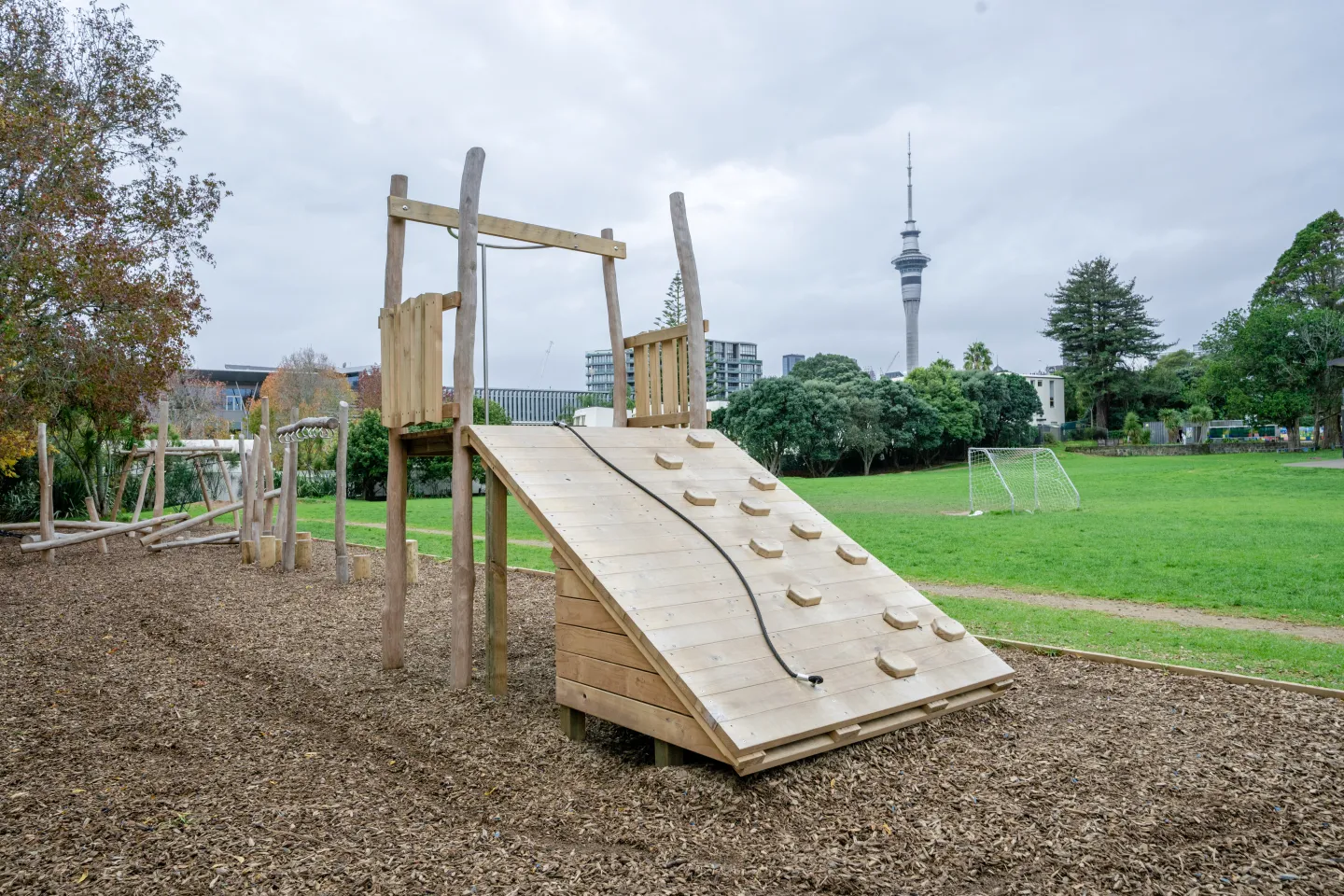
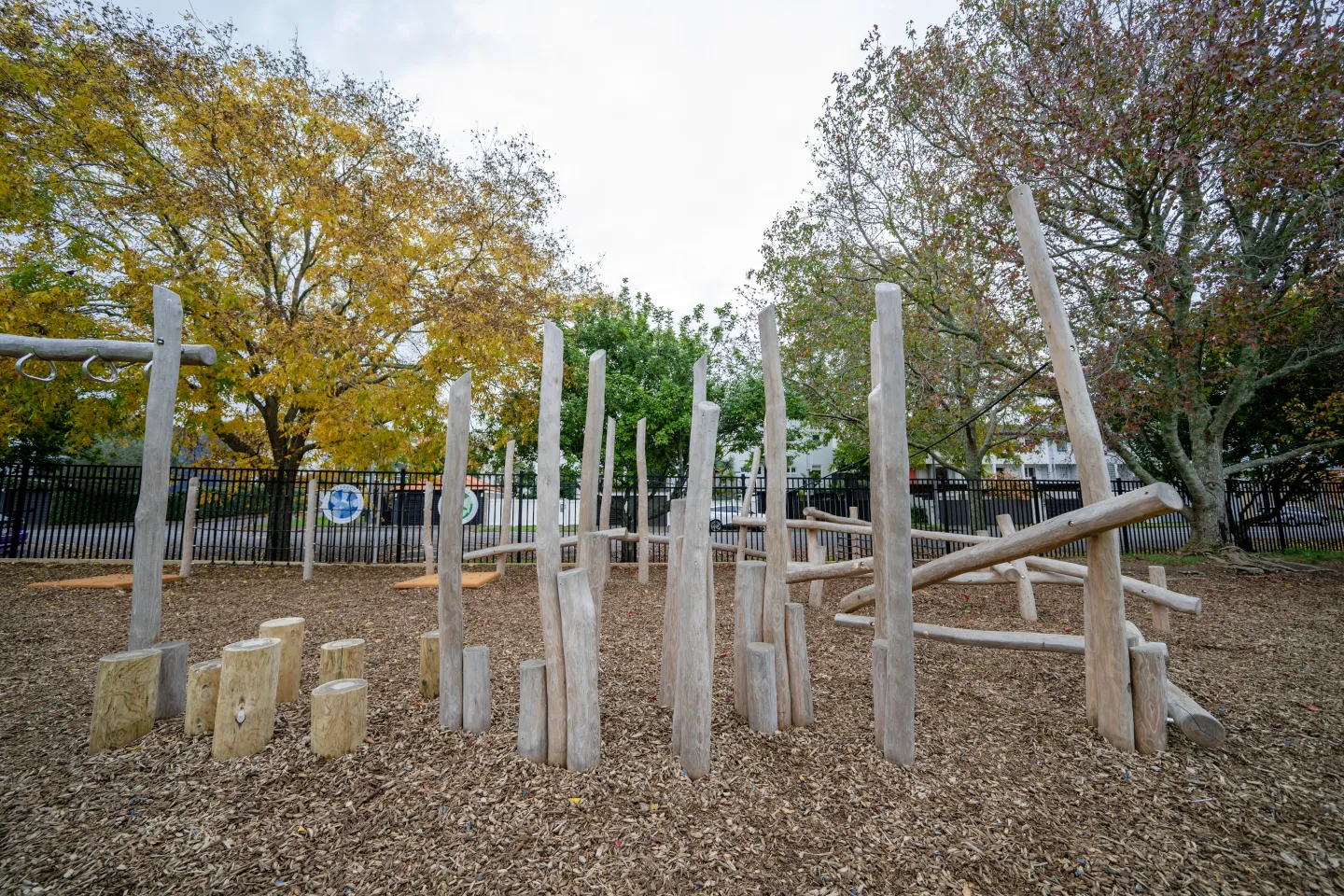
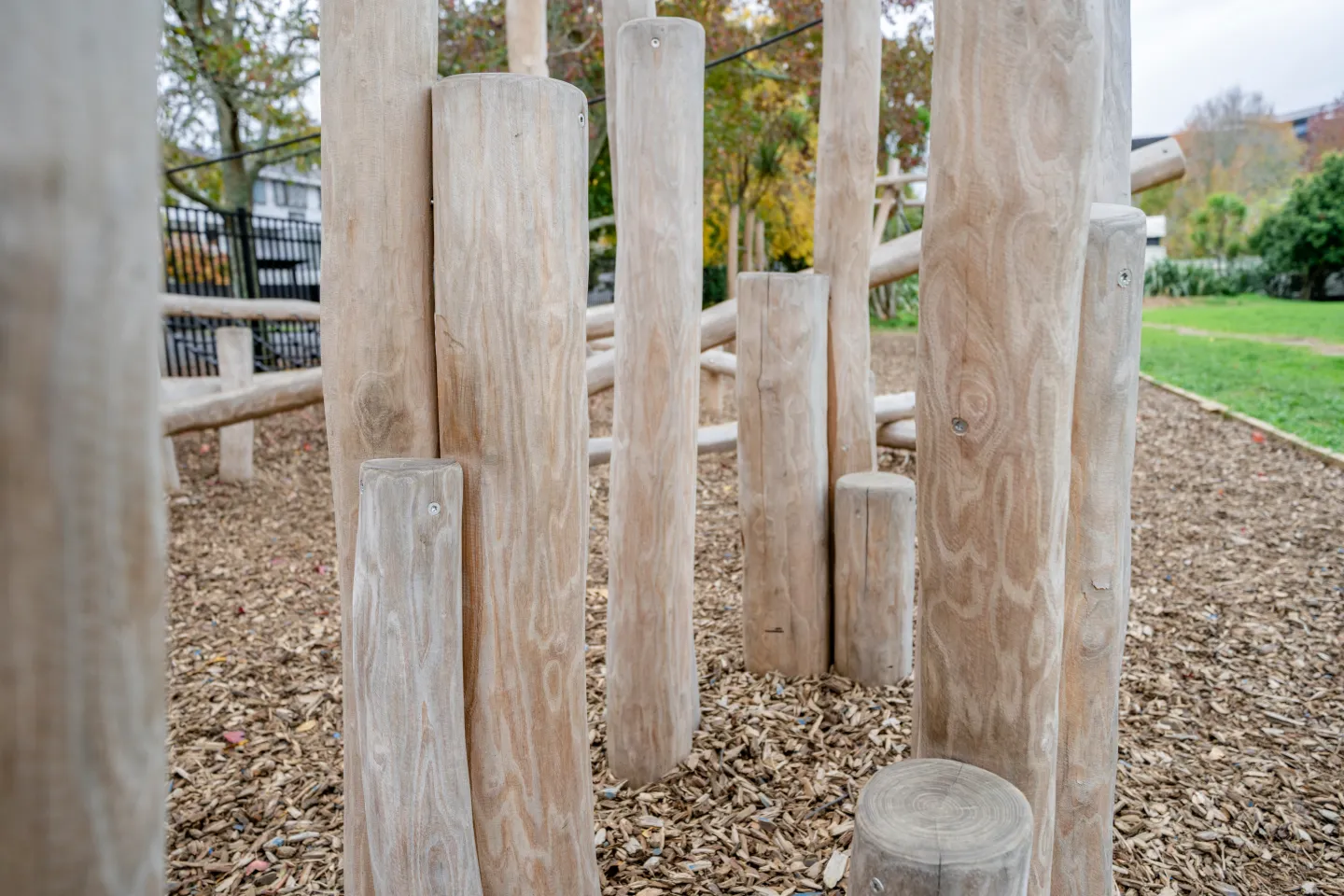
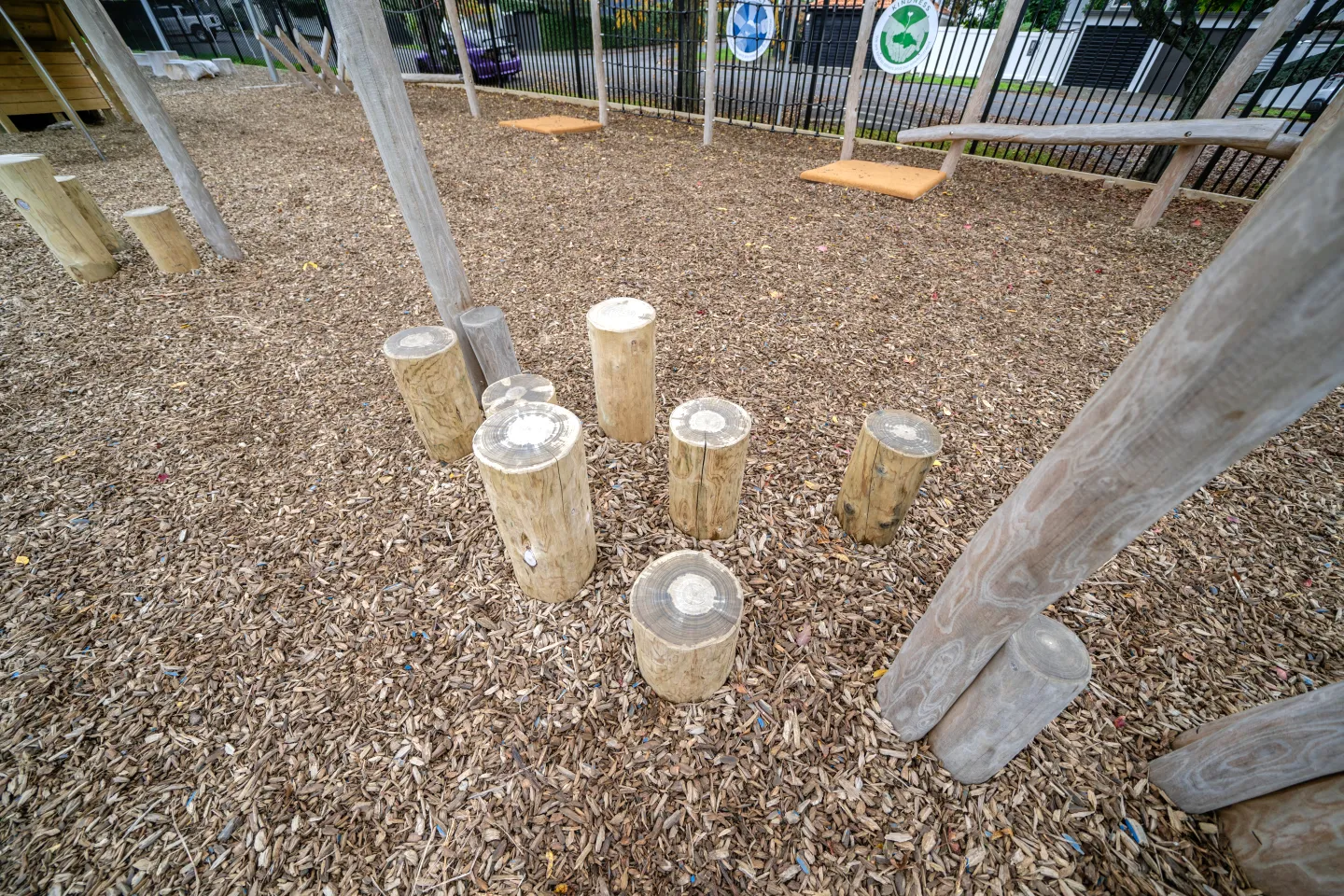
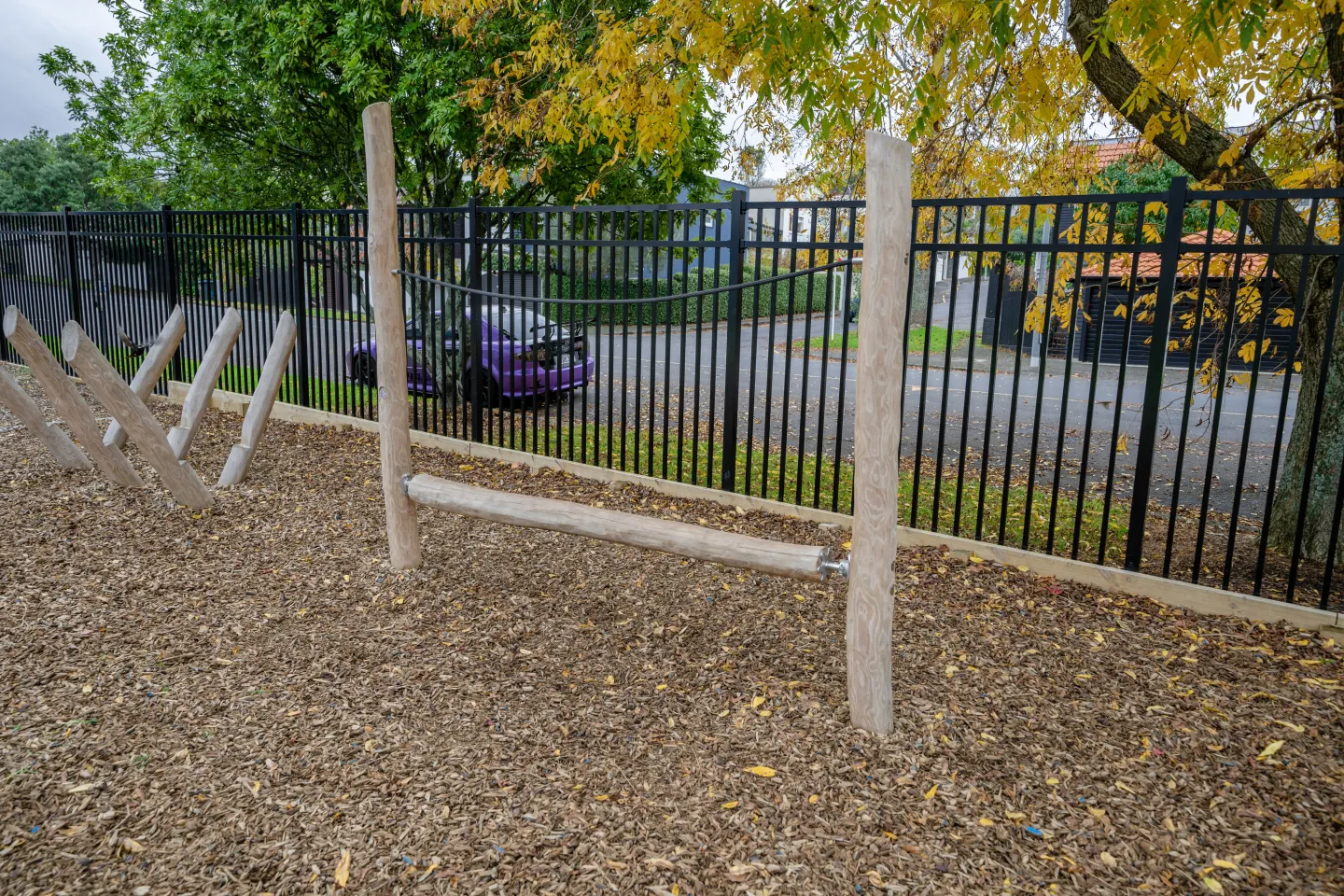
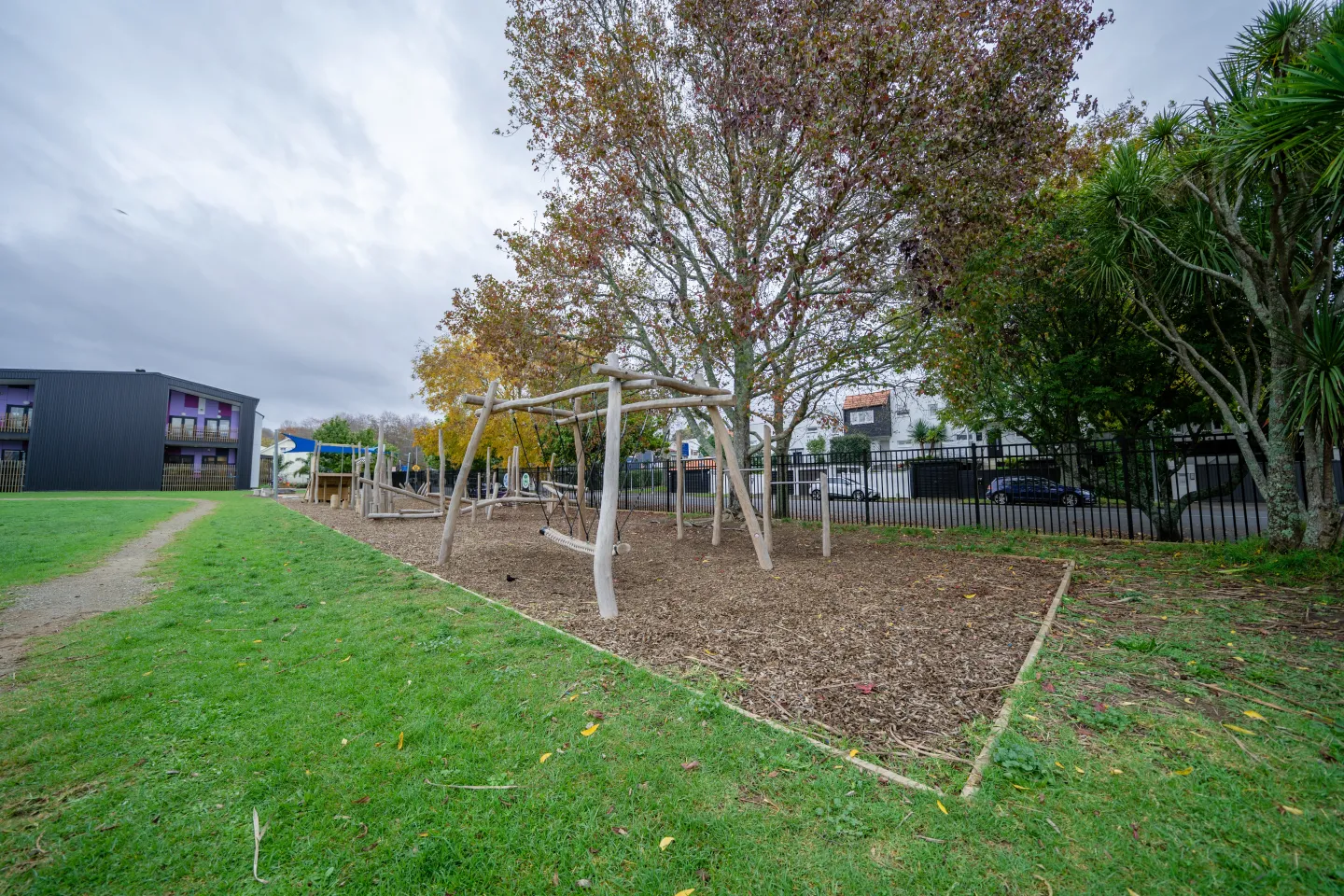
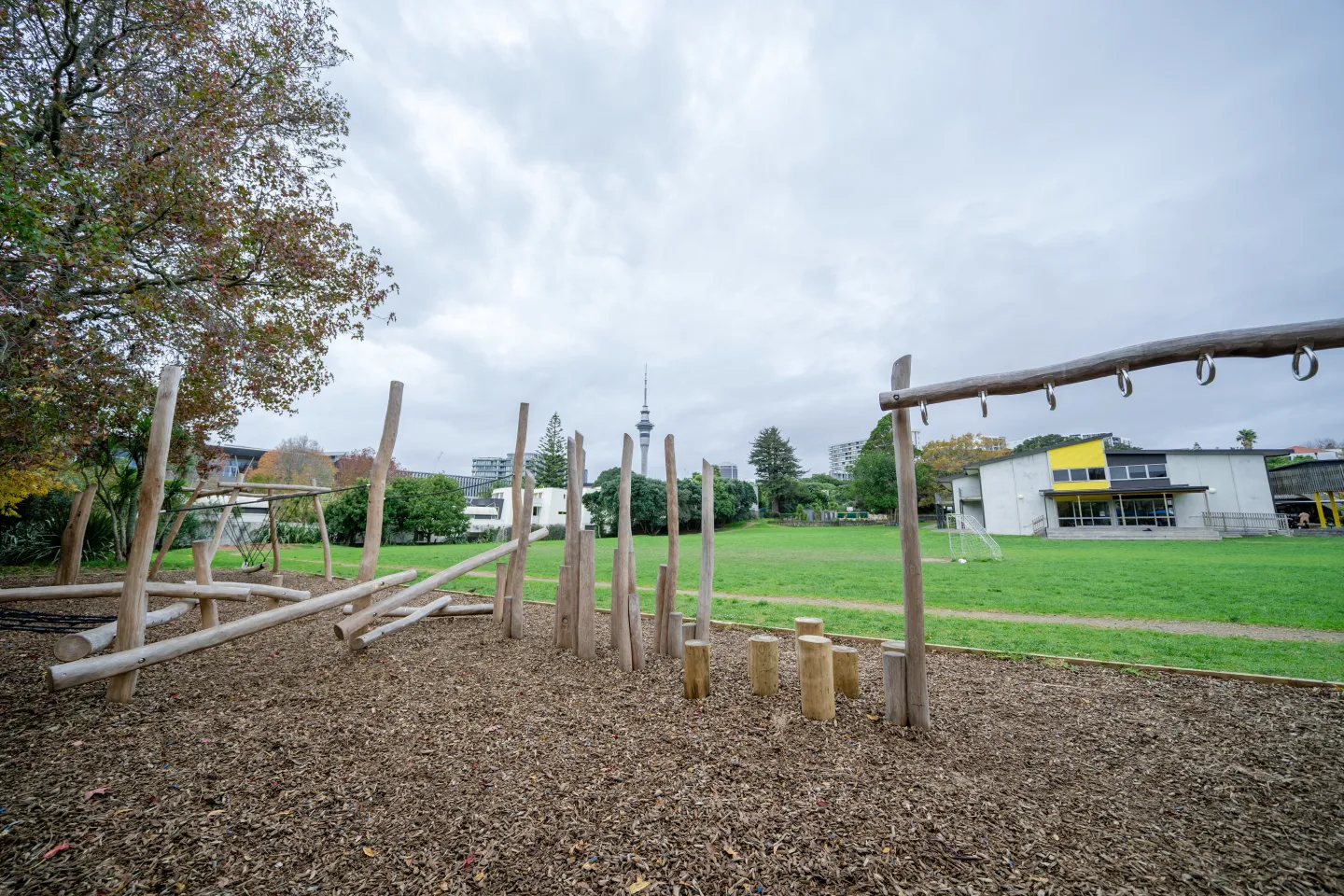
Walsh had a clear picture of what she did not want. Freemans Bay’s buildings are already bright inside and out, so the brief called for something calmer underfoot, a natural toned play space that would balance the school’s colour rather than compete with it.
“I didn’t want a bulk standard playground that you would see in any school,” says Walsh.
The old playground had one quality worth keeping. Its activities led into one another in a loose circuit, something students clearly enjoyed, so that same circular flow became part of the new brief.
Walsh also wanted equipment that worked the parts of the body screens do not. Many students walk to school and use their legs often, but rarely stretch or load their arms and shoulders during the day.
“We really wanted equipment that really lent itself to strengthening that upper body… so often our limbs are restricted in terms of using devices,” says Walsh.
Having leafed through plenty of playground brochures over the years, Walsh knew what stood out to her and what did not.
“I had a vision for something out of the ordinary, and that’s what I believe Creo do,” says Walsh. “Creo’s playgrounds are out of the ordinary in a good way.”
From Slow Design to a Fast Build
For a project years in the making, the construction phase felt almost sudden by comparison. Once funding was confirmed and the final design locked in, the build moved at a pace that caught the school by surprise.
“The design took a while, but as soon as the building started it was incredibly fast,” says Walsh. “I was amazed at how quickly it went up.”
Quick to Respond When It Mattered
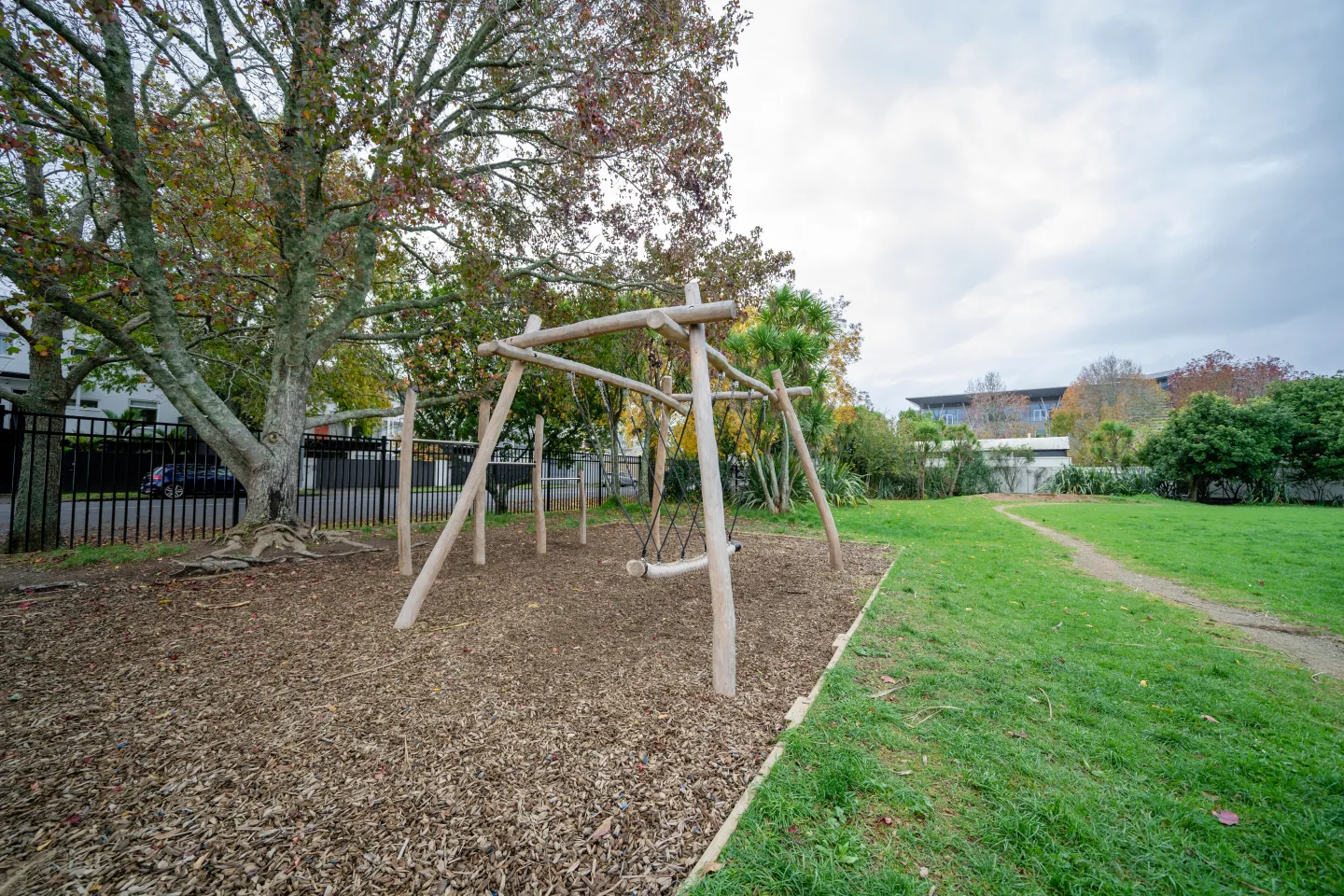
Not everything about a new playground is visible until children start using it. Soon after opening, some of Freemans Bay’s taller students were catching their heads on a bar while swinging.
“I rang immediately, and he was here within an hour,” says Walsh. “He took a look, he said, oh my gosh, yes, this shouldn’t be happening, but that’s easily fixed.”
The swing came down as a precaution while the fix was made, then went back up within the week. It is a small story, but it points to something larger about what happens after handover, not just what happens during the build.
A Playground That’s Always in Use
The real measure of a playground is not how it looks on opening day. It is whether children actually use it, and how many at once.
“One day I went and I counted how many children were on that playground at one time, and I got to 140,” says Walsh. “To have that large amount of children focused on a play area or a smaller area in your school. Amazing.”
For a school built around shared space, a playground that draws that many students together is doing exactly the job it was built for.
A Thank You to Freemans Bay School
Freemans Bay's new playground took years to fund, careful redesign to fit the final budget, and a fast, focused build to bring it to life. What it gave the school in return is a space its tamariki treat as their own green oasis in the middle of the city.
A big thank you to Freemans Bay School for its patience and trust across a project years in the making, and to principal Cindy Walsh for so generously sharing her time and her story. Projects like this only come together through genuine partnership, and Freemans Bay's openness throughout made all the difference.
Connect with our team to design a vibrant playground, select top-tier equipment, explore safe surfacing, choose complete packages, or add shelters. Your ideas drive our creations.